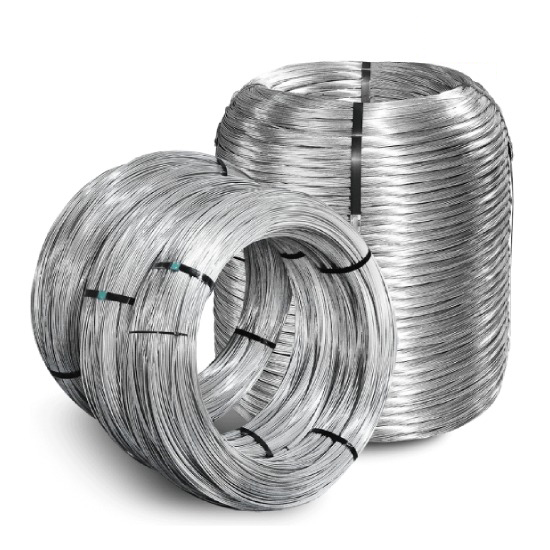
Types of WireLow-carbon wires are widely used in construction, agriculture, and various industries and are considered important and strategic products in global markets. These wires are manufactured in a wide range of diameters and specifications. Their chemical composition and mechanical properties are directly related to the characteristics of the steel rebar from which they are drawn.Low-carbon wires are produced from St34 and St37 steel wire rods and are available in various sizes and specifications. At Mana Sanat, wire products are supplied in four main forms: iron wire, annealed wire, galvanized wire, and PVC-coated wire.Iron WireIron wire is mainly used in the production of various types of wire mesh and steel grids, as well as nails, U-bolts, joists, and similar products.For production, 1 to 8 mm diameter wire rods are drawn and reduced in diameter using wire-drawing machines. The minimum diameter can be reduced to approximately 1.2 mm, while the most commonly produced sizes range from 1.5 to 5 mm.The chemical composition of industrial hard wire remains essentially the same as that of the wire rod from which it is produced. However, its mechanical properties change depending on the degree of drawing. As the drawing reduction increases, elongation decreases and the wire becomes harder and more brittle, while its tensile strength increases.Galvanized WireGalvanization refers to coating the surface of steel with zinc. This process is used to protect the base metal (steel) against corrosion, rust, and various environmental factors.Galvanization can be applied to both industrial hard wire (iron wire) and annealed wire. At Mana Sanat, the galvanizing process is carried out using the hot-dip galvanizing method.Mana Sanat supplies galvanized wires in different classes and coating levels according to current industry standards and customer requirements. These wires are mainly used in wire mesh production, steel grids, barbed wire, and similar applications.Annealed Wire (Soft Wire)Industrial hard wire, when required, is heated inside specially designed annealing furnaces to approximately 700–800°C under controlled vacuum conditions. This process softens the wire and makes it suitable for applications such as rebar tying, packaging, production of galvanized wire, steel mesh, and similar products.Annealing does not change the chemical composition of the wire. However, it changes its mechanical properties: elongation increases, while tensile strength decreases to some extent, resulting in a softer and more workable wire.Specifications of Iron, Annealed & Galvanized WireWire diameter: 1.2–5 mmDimensional tolerance: approximately ±0.05 mmMinimum iron wire diameter: 1.5 mmStandard galvanized coating: 85 g/m²Maximum galvanized coating: up to approximately 220 g/m²Standard coil diameter: 60 cmAnnealed wire coils in 1.2 and 1.5 mm: 30 cm diameterStandard coil weight: approximately 100 kgCustom coil weights: available according to customer requirementsStraight lengths: available upon request
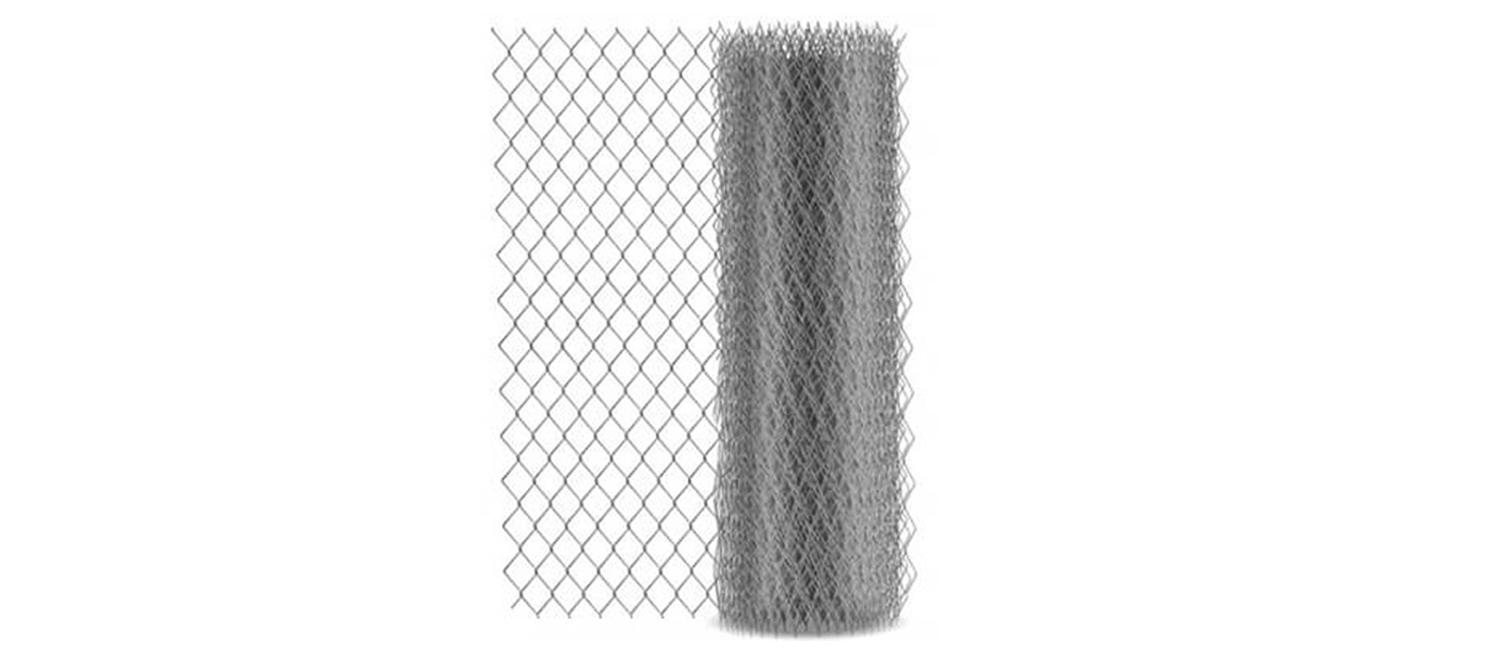
Chain-Link Fence
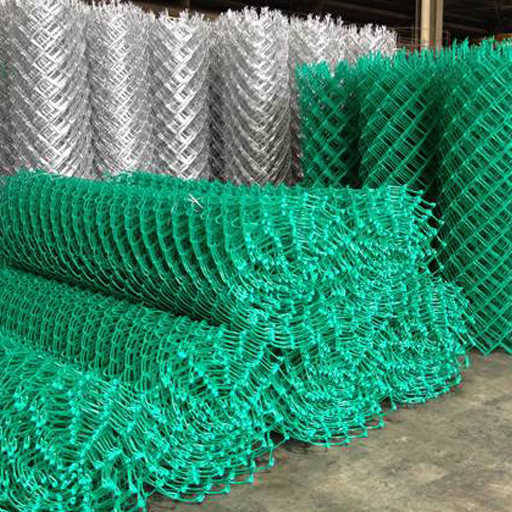
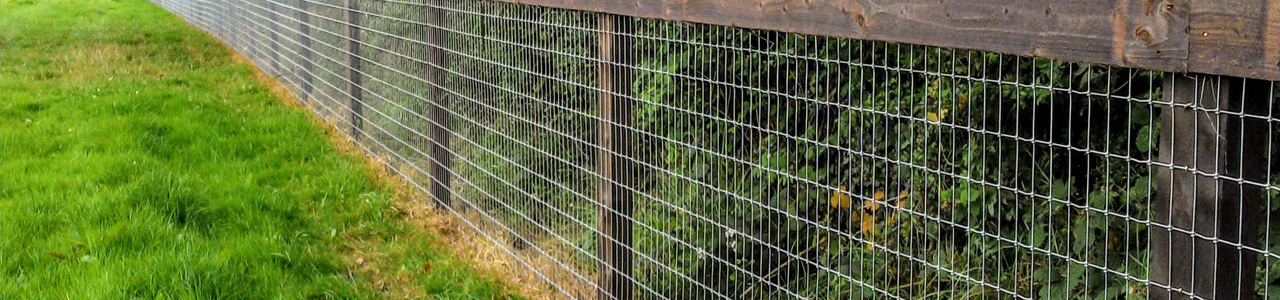
Chain-Link FenceChain-link fence is a type of protective fencing manufactured from steel wire. It is commonly available in two main forms:Hot-Dip Galvanized Steel WirePVC-Coated Galvanized Steel WireChain-link fence is manufactured by bending galvanized steel wire into a zigzag pattern and interlocking the wires with each other to form the characteristic diamond-shaped mesh. The manufacturing process is commonly referred to as weaving.At Mana Sanat, chain-link fencing is produced using high-quality equipment and experienced technical specialists to ensure consistent weaving and product quality.Galvanized steel wire provides good resistance to corrosion and can be used in a wide range of climatic conditions, including humid, dry, hot, and cold environments. The zinc coating helps protect the underlying steel from rust and corrosion. PVC-coated galvanized wire provides an additional protective layer and can also offer an attractive appearance.Chain-link fence is widely used for residential, commercial, industrial, agricultural, sports, and infrastructure applications.The cost of galvanized chain-link fence is generally higher than that of uncoated black steel wire mesh, depending on the wire diameter, zinc coating, mesh size, and product specifications.
Chain-Link Fence Applications
Chain-Link Fence ApplicationsChain-link fencing is widely used for securing and enclosing a variety of areas, including:Gardens and agricultural propertiesPrivate properties and landSports fields and facilitiesConstruction sites, including temporary safety fencing to help protect workers from falls during construction operationsAnimal enclosuresAirportsMilitary facilitiesIndustrial facilitiesRailwaysSwimming poolsOne of the key advantages of chain-link fencing is its availability not only in standard rolls, but also in a compact form. This compact configuration allows a larger quantity of fencing to be transported in the same shipping space, helping improve transportation efficiency and reduce logistics costs.Key Features of Chain-Link FenceHigh strength and durabilityAttractive appearanceAvailable in various mesh sizesGood resistance to moisture and corrosion due to the galvanized coatingSuitable for fencing and perimeter protection applications
Technical Specifications of Chain Link Fence
Wire Diameter: 2 to 4.75 mm (±0.05 mm tolerance may apply)Mesh Opening: 2.5 to 7.5 cm (±0.5 cm tolerance may apply)
Width / Height: 1 to 4 mRoll Length: Typically 10 to 20 m; standard supply is available in 20-meter rolls.
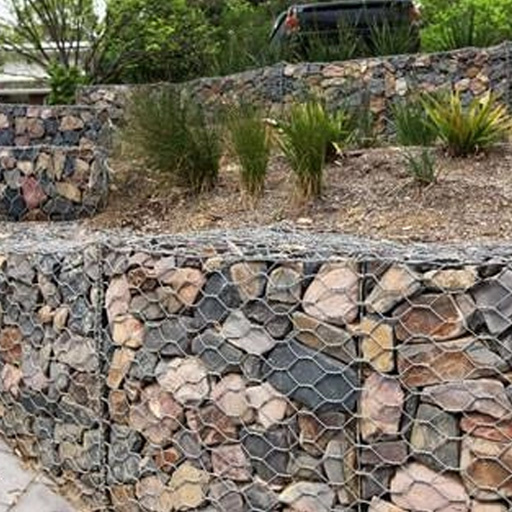
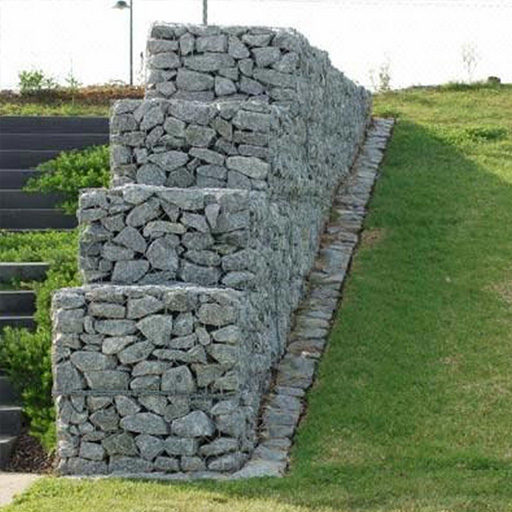
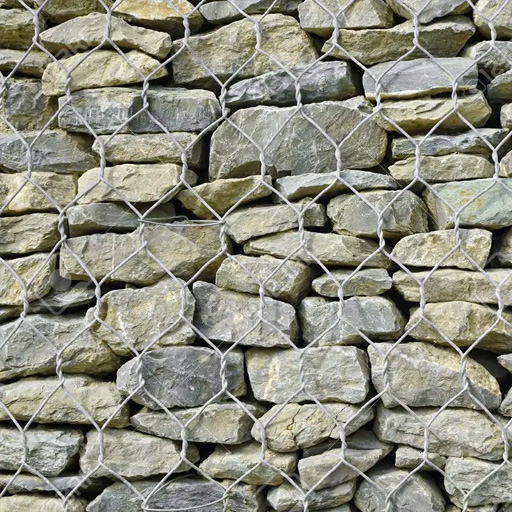
Gabion MeshThe term “Gabion” originates from an Italian word meaning “large cage.” Gabion Mesh, also known as stone mesh, is made of strong, interconnected wires and is formed into wire baskets or cages that are filled with stones and other suitable aggregates. It is widely used in various civil engineering and construction applications.Gabion Mesh is manufactured from interwoven wires that are twisted together through three consecutive turns, creating a strong and stable mesh structure.By connecting and placing multiple gabion baskets together, large-scale engineering structures of various dimensions and configurations can be constructed.
Gabion Applications and Uses
Due to the high strength and durability of Gabion Mesh, it is also used for fencing and protective barriers in various environments and locations.Gabions are resistant to water pressure, making them suitable for applications such as riverbed and waterway protection, construction of breakwaters, and covering pipes to help protect them against corrosion and deterioration.Gabion Mesh is also used in construction and civil engineering for reinforcing unstable structures and constructing stone retaining walls.Today, gabions are increasingly used for landscaping and architectural applications, including the construction of stone-filled planters, decorative walls, and other stone-based decorative features.One of the most important applications of gabions is in road construction and infrastructure projects. Other applications include stabilizing and controlling loose or concentrated rock formations, erosion control, slope stabilization, and constructing retaining walls.
Technical Specifications of Gabion Mesh
Wire Type: Hot-dip galvanized wire, manufactured according to the specifications for galvanized wire.Wire Diameter: Available in diameters from 2 to 4 mm. The standard wire diameter is 3 mm.Mesh Opening: Gabion mesh features a hexagonal mesh pattern. Standard mesh sizes include 6 × 5, 8 × 6, 8 × 8, and 10 × 8 cm, while 12 × 10 cm is typically produced for high-volume orders.This production unit also manufactures gabion mesh with a 6 × 5 cm mesh opening, which is considered a unique specification in Iran and is commonly referred to as “Gabion Meterz.” This type of gabion mesh is primarily used for manufacturing gabion mattresses for riverbed and waterway protection.Gabion Dimensions: Gabion mesh is initially woven into rolls with widths ranging from 1 to 3 meters. It is then cut at the factory or at the project site into panels of various lengths, typically 1 to 4 meters. These panels are subsequently assembled into gabion boxes in standard dimensions such as 1 × 1 × 1 m, 1 × 1 × 1.5 m, 1 × 1 × 2 m, and 1 × 1 × 3 m, and are finally filled with suitable stone materials.Gabion mesh can also be manufactured with a PVC coating to provide additional protection and enhanced resistance to environmental conditions.
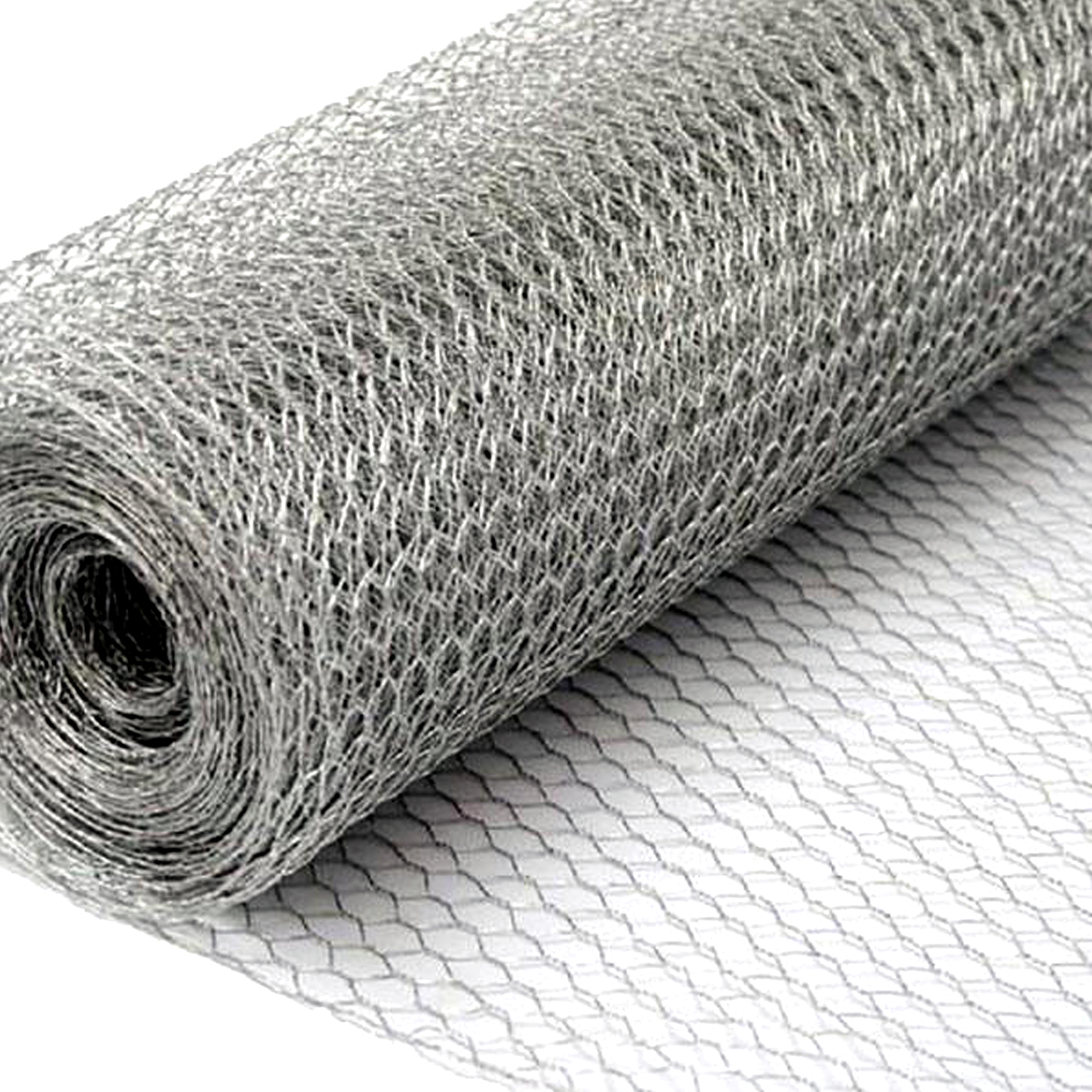
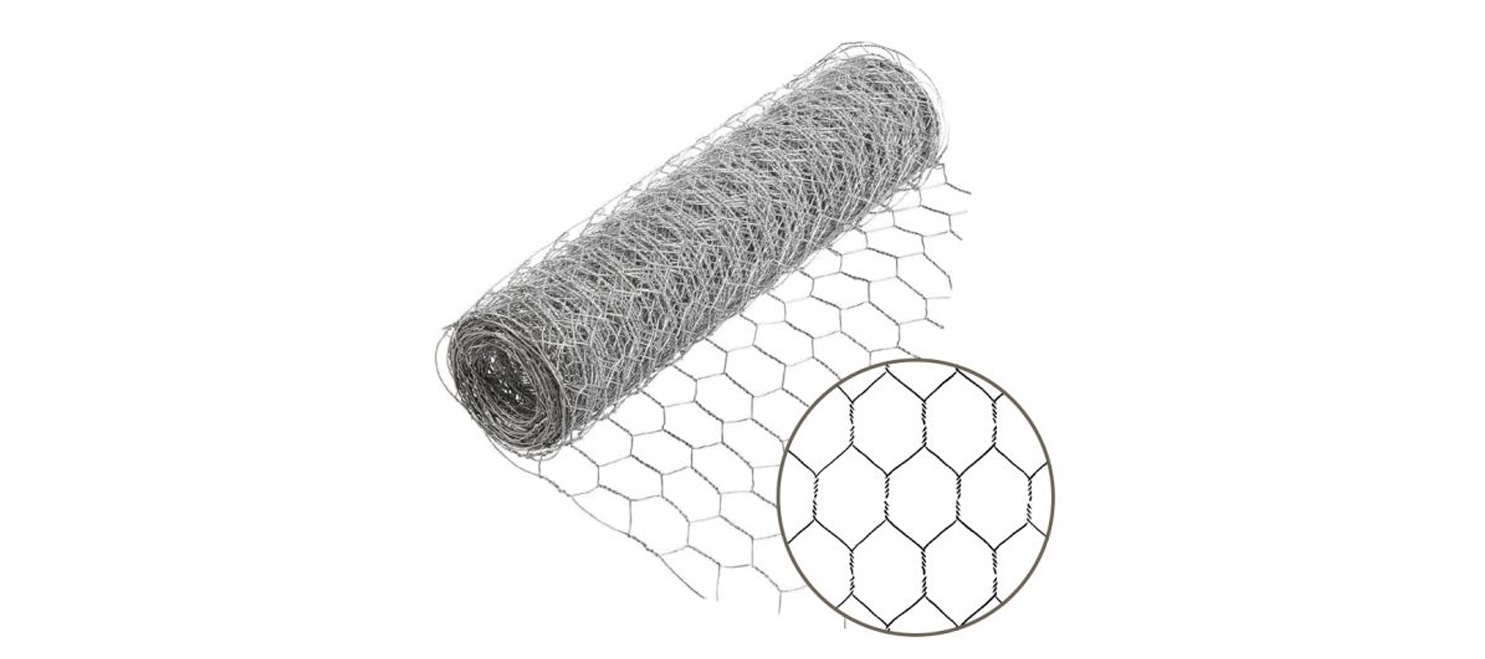
Hexagonal Wire Mesh is a type of fencing mesh featuring hexagonal openings, commonly referred to as mesh openings. Hexagonal Wire Mesh is very similar to Gabion Mesh, with the main differences being the wire diameter and the number of twists in the woven structure. The wire used in Hexagonal Wire Mesh is lighter, while the mesh has a greater number of twists, providing a flexible yet sufficiently strong structure.This type of mesh offers suitable strength and durability and, depending on its specifications, is widely used in poultry farms, garden fencing, agricultural land protection, garden and flower-bed enclosures, and various agricultural applications.The combination of affordable pricing and reliable quality has made Hexagonal Wire Mesh a popular choice for a wide range of fencing and agricultural applications.
Technical Specifications of Hexagonal Wire Mesh
Hexagonal Wire Mesh, similar to Gabion Mesh, features a hexagonal mesh pattern. The wire strands are interconnected using 3-twist and 6-twist weaving methods. At this production facility, the mesh is supplied exclusively with the 6-twist configuration.Wire Diameter: 1.5 to 2 mmRoll Length: 20 meters per rollHeight: 1 to 3 meters
Applications of Hexagonal Wire Mesh
Hexagonal Wire Mesh can be used in a wide range of applications. Some of the most common uses include:Fencing for poultry farms and bird enclosuresFencing around agricultural fields, gardens, sports facilities, and flower bedsUse as metal mesh for the ceilings and roofing structures of industrial shedsReinforcement of walls to improve durability and help prevent deteriorationProtective barriers to help prevent construction materials and components from fallingFencing for private properties, yards, and enclosed areasDefining and securing work areas during construction projectsFencing around buildings under constructionHelping prevent construction materials from falling from buildings under constructionPreparation and partitioning of industrial sheds and facilities in various sizesUse in artistic industries, including sculpture and creative metalworkCreating enclosures and protective fencing for animals
Barbed Wire
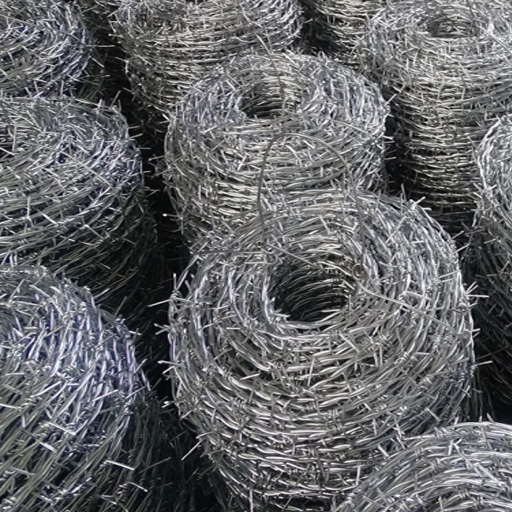
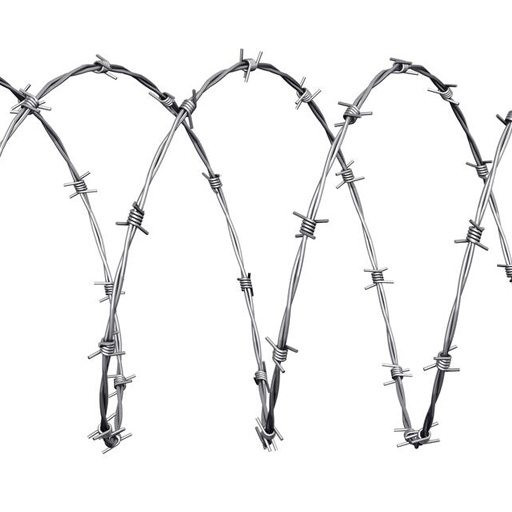
Conventional Barbed Wire is manufactured and supplied in two main forms: strand barbed wire and coil barbed wire.This type of barbed wire is manufactured using four galvanized wire strands. Two strands form the main line wires, which are twisted together, while the other two strands form the barbs.Barbed wire is a type of wire fencing material consisting of sharp-pointed barbs arranged at regular intervals along the wire strands. It is commonly used for constructing cost-effective fences and security barriers, as well as for installation on top of walls and around properties.Barbed wire is one of the most common and economical solutions for perimeter protection and creating security barriers around military and law-enforcement facilities, factories, airports, industrial sites, and other restricted areas.Line Wire Diameter: 2 or 2.5 mm, depending on customer requirements.Barb Wire Diameter: 2 or 2.5 mm, available according to customer specifications.
Concertina Barbed Wire
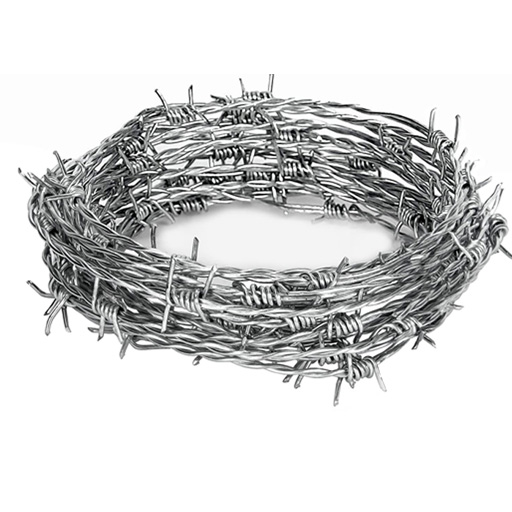
This product is manufactured using one 3 mm wire strand as the main line wire and another 2 mm wire strand for the barbs.Standard concertina barbed wire is available with diameters of 60 cm and 90 cm, according to customer requirements.Concertina barbed wire is generally installed on top of walls and is one of the most common deterrent barriers used for securing areas that require enhanced perimeter protection. In applications requiring a higher level of security, particularly military and restricted-area applications, it can also be installed directly on the ground.A 90 cm diameter concertina barbed wire coil weighs approximately 12–14 kg and covers approximately 12–14 meters.A 60 cm diameter concertina barbed wire coil weighs approximately 9–10 kg and covers approximately 8–10 meters.Technical SpecificationsBarbed wire products are supplied in 25 kg coils.2.5 × 2.5 mm Barbed Wire: Each kilogram provides approximately 6–7 meters of wire.2.5 × 2 mm Barbed Wire: Each kilogram provides approximately 10 meters of wire.2 × 2 mm Barbed Wire: Each kilogram provides approximately 12 meters of wire.
Conventional Barbed WireConventional barbed wire, also known in some markets as razor-point barbed wire, is manufactured and supplied in two main forms: standard strand barbed wire and standard concertina barbed wire.Standard Strand Barbed WireThis type of barbed wire is manufactured using four galvanized wire strands. Two strands form the main line wires and are twisted together, while the other two strands form the barbs.Barbed wire consists of wire strands with sharp-pointed barbs arranged at regular intervals along the wire. It is commonly used for cost-effective fencing, land-boundary protection, and security barriers installed on top of property walls.Standard strand barbed wire is one of the most common and economical solutions for perimeter fencing and security barriers around military and law-enforcement facilities, selected organizations and institutions, land boundaries, factories, railway lines and stations, airports, and other restricted areas.For this type of barbed wire, the line wire is manufactured from wire with a diameter of 2 to 2.5 mm, according to customer requirements. The barb wire is also available in diameters of 2 to 2.5 mm.Standard Concertina Barbed WireThis type of barbed wire is manufactured using one 3 mm wire strand as the main line wire and another 2 mm wire strand as the barb wire.Concertina barbed wire is produced in a circular coil format. It is generally installed on top of walls and is available in diameters of 60 and 90 cm according to customer requirements.It is one of the common deterrent barriers used for securing military facilities and restricted areas, and can be installed relatively quickly and easily.Razor Barbed WireRazor barbed wire is manufactured and supplied in two main forms: linear (strand) razor barbed wire and concertina razor barbed wire.Due to its stronger structure and sharp, cutting edges, this type of security wire is commonly known in the market by various names, including razor wire, blade barbed wire, and NATO-type barbed wire.Linear (Strand) Razor Barbed WireIn recent years, Mana Sanat has introduced this newer type of linear razor barbed wire to the market. It differs from conventional barbed wire in both the material and design of its barbs.The product features a 2.5 mm high-carbon steel core wire, while the barbs are made from 0.5 mm thick galvanized steel sheet, manufactured in various shapes such as axe-shaped, star-shaped, and other designs.Due to the extremely sharp and cutting nature of the blades, installation of this type of razor barbed wire requires appropriate care, safety precautions, and technical expertise.Concertina Razor Barbed WireSimilar to linear razor barbed wire, this product is manufactured by arranging pressed galvanized steel strips with sharp blade profiles in a series of circular loops around a high-carbon steel core wire.Concertina razor barbed wire is available in diameters ranging from 50 to 120 cm, depending on product specifications and customer requirements.
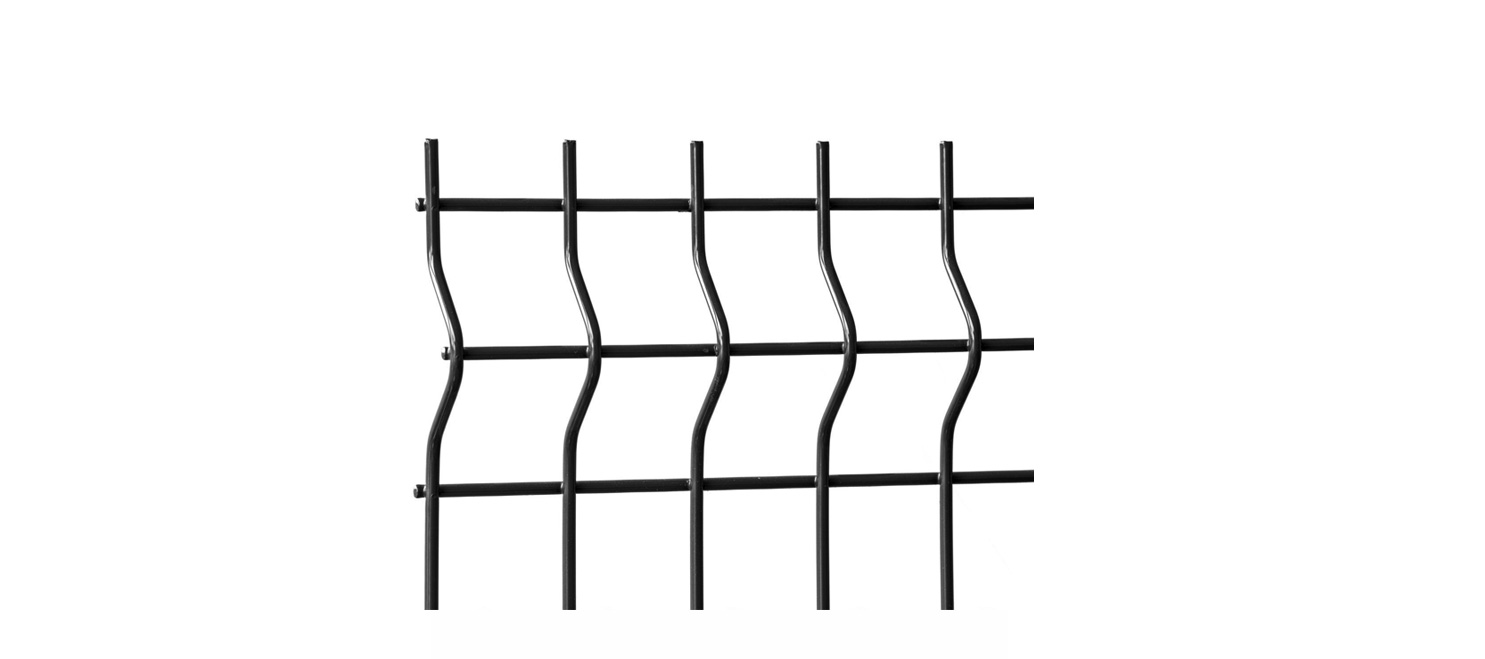
This type of fencing is manufactured from hot-dip galvanized wire and formed using resistance welding technology. Despite its simple and clean design, it provides high structural strength and is available in a wide range of mesh opening sizes, wire diameters, and panel heights. Various color options are also available to meet different architectural and project requirements.The panels are prefabricated, eliminating the need for on-site welding during installation and allowing for a faster and more practical installation process.ApplicationsWelded Wire Fence Panels are a suitable solution for constructing residential and villa fences, road-side barriers, park fencing, sports facilities, and other perimeter fencing systems. Their long service life, attractive appearance, and availability in different colors make them suitable for both functional and architectural applications.Key Features of Welded Wire Fence PanelsKey advantages of these panels include:Fast and easy installationHigh strength and durabilityModern and attractive appearanceLong service lifeWide range of mesh sizes, wire diameters, and heightsVarious color optionsPrefabricated design with no on-site welding required
Welded Wire Mesh (BRC Mesh)
Welded Wire Mesh is manufactured from high-strength industrial plain and deformed steel wires, which are resistance-welded at their intersections to form sheets with various mesh opening sizes and dimensions.Also known as BRC Mesh, welded wire mesh is primarily used in construction and concrete reinforcement applications. It is widely used as reinforcement within concrete and has become one of the most common reinforcement methods in modern buildings and large-scale construction projects.BRC Mesh is commonly used for reinforcing concrete foundations, floors, walls, bridges, roads, and other structural elements, helping improve the strength and structural integrity of concrete systems.Mana Sanat is one of the leading and high-quality suppliers of welded wire mesh in Iran, equipped with modern production and processing equipment. The company has an annual supply capacity of approximately 29,000 metric tons and has successfully supplied and exported this product to neighboring countries and international markets.Technical SpecificationsWire Type: High-strength industrial plain A2 or deformed A3 steel wire, according to buyer requirements. Galvanized wire mesh is also available upon request.Wire Diameter: 4 to 12 mmMesh Opening: 5 to 25 cmPanel Width: 100 to 250 cmPanel Length: 200 to 900 cm
What Is Crimped Wire Mesh?
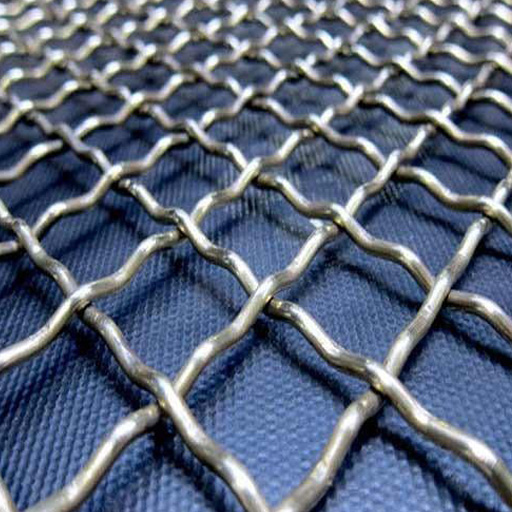
Crimped Wire Mesh, also known as Pressed Metal Mesh, is a versatile industrial product with a wide range of applications. It is manufactured from high-strength heat-treated industrial wires and galvanized wires in various sizes and dimensions, with each configuration designed for specific applications.What makes metal Crimped Wire Mesh a highly adaptable product is its availability in numerous configurations and a wide range of dimensions, allowing it to meet the requirements of different industries and applications.In addition to its use as fencing and screening, Crimped Wire Mesh is widely used as a filter and separation material across various industries. Wherever applications require material separation, screening, concrete-related work, or similar processes, iron and steel Crimped Wire Mesh can provide an effective solution.
Applications of Crimped Wire MeshAs mentioned above, Crimped Wire Mesh has a wide range of applications across various industries and construction projects. Some of its most important and common applications include:Door and window security guardsConstruction of cages and enclosures for animalsFencing large areas, such as agricultural fields and farms, as well as fencing around sports fields, parks, boulevards in residential complexes, terminals, and villa propertiesApplications in the manufacturing and construction of heating systemsManufacturing of three-dimensional (3D) panelsApplications in the chemical, oil and gas, medical, and metallurgical industriesConcrete reinforcement for foundations, floors, walls, and ceilings, similar to welded wire mesh. It can be used in floor foundations and structural walls and ceilings of industrial halls to facilitate and accelerate concrete pouring operations, serving a function similar to conventional rebar reinforcement.